
You’ve stared at the reels, watched a symbol stack, and wondered whether that rising figure on screen is a genuine payout path or just a flashy animation. As a slot designer who has spent fifteen years building game maths, running simulations, and writing specs, I can tell you the multiplier in slots is one of the few mechanics that genuinely shifts expected value when it lands correctly. The trick is knowing how it behaves in play, not what the marketing copy promises.
Reading the paytable before the first spin
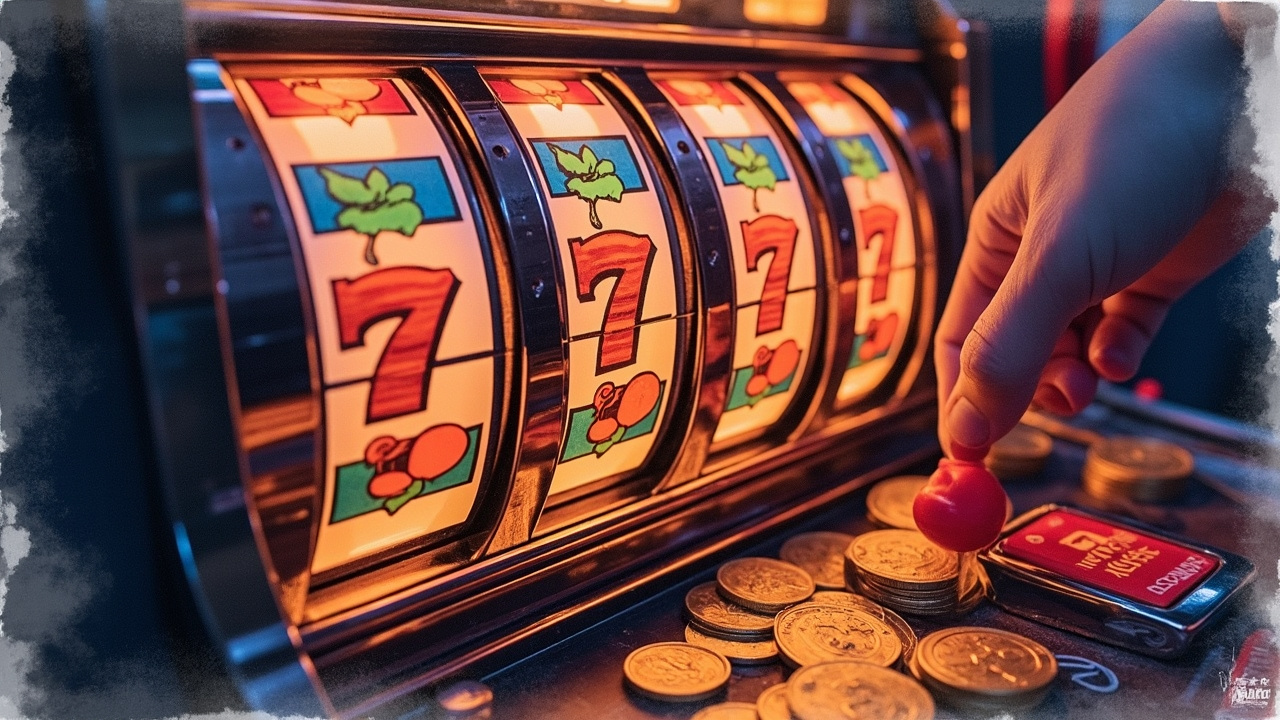
A proper walkthrough starts with the paytable, because that’s where the multiplier in slots is actually defined. In my specs, I always flag whether a multiplier is sticky, retriggerable, or capped, because those details change how a player should size their stake. On a typical 20-line grid, a 2x symbol might pay only when it lands on consecutive reels, while a 5x wild could apply to the whole cluster if the game uses a pay-anywhere engine. I’ve seen overseas studios in the UK and Europe publish those rules in plain language on the help screen, whereas Australian operators often bury the cap behind a generic “bonus features” tab. That difference matters when you’re deciding whether to keep the base bet flat or ramp it up for a feature buy. If you’re comparing operators before you register, you can check the welcome terms at ozwin bonus no deposit to see how a new account holder is treated on first deposit and whether any spin-specific multipliers are excluded from wagering. Younger Australians gamble more via phones than at physical venues, so the paytable needs to load cleanly on a phone screen without shrinking the multiplier values into a footnote.Music-themed slots bring a new rhythm
When those rules are clearly mapped out, it becomes much easier to spot which bonus structures actually deliver value without eating into your base bet. For a practical breakdown of how these mechanics interact with real-world promotions, you can review the detailed guide at https://ozwinbonus.org/ under the ozwin bonus no deposit section. That kind of targeted research ensures you’re not just chasing theoretical RTP, but actually aligning your bankroll with the specific trigger conditions you’ve already flagged.
How the feature actually unfolds in a session
When the base game hands you a trigger, the multiplier in slots usually starts low and steps up with each retriggered symbol or consecutive hit. I’ve modelled sessions where a 3x entry climbs to 12x over four retriggers, then locks until the feature ends, and that progression is what separates a flat bonus from one that feels worthwhile. In regional New South Wales, where weekend traffic to local clubs can be busy as the Friday arvo rush, players often prefer a feature that builds rather than one that spikes and resets instantly. The maths behind that build is straightforward: each retrigger adds a small expected-value bump, but the volatility rises with it, so a session can swing hard in either direction. I’ve also seen operators outside Australia run similar features with lower caps but higher hit frequency, which is a different risk profile entirely. If you want a closer look at how theme and pacing affect the same mechanic, music-themed slots bring a new rhythm to online play, and the beat-synced retriggers can make a multiplier sequence feel longer than the underlying maths suggests. As Emily Fraser, Digital Acquisition Director, Harbour Bet Insights, puts it, “The multiplier is only as good as the trigger rate that feeds it, and players who chase the top number without reading the retrigger rules usually burn through a bonus faster than they realise.”
What carries value after the welcome offer ends
The welcome offer is only the opening hand, because the multiplier in slots matters just as much in the recurring promos that follow. Cashback on lost spin volume, weekly loyalty drops, and tournaments that award a share of the prize pool all depend on how often a feature lands and how high the cap sits. I’ve designed loyalty tiers where a 5x cluster pays into a points conversion rather than a straight cash line, and that structure rewards repeat play more than a one-off big win ever could. In my simulations, a tournament format that ranks players by total multiplier-weighted wins tends to keep engagement steady across a month, whereas a single huge payout usually pulls a short burst and then fades. Oliver Brown, Independent iGaming Expert, Harbour City Gaming Review, notes that “a cashback rate tied to feature frequency is more useful than a flat percentage, because it lines up with the actual volatility a player is sitting through.” That’s the kind of ongoing value that keeps a session interesting after the first deposit bonus has been wagered through, and it’s why I always ask operators how their loyalty conversion handles multiplier-heavy wins before I rate the long-term playability.

A practical step-by-step for a single session
- Open the paytable and confirm whether the multiplier in slots is capped, sticky, or retriggerable before you place any stake.
- Set a base bet that sits comfortably within your session budget, then note the feature buy cost if the game offers one.
- Spin through the base game until a trigger lands, and watch whether the first multiplier step applies to a single line or the whole cluster.
- Track each described here retrigger as the figure climbs, and decide in advance whether you’ll let the feature run to its natural end or stop after a fixed number of steps.
- Record the final payout against your starting stake, then compare that result with the operator’s cashback or loyalty terms to see what carries over into the next session.
A multiplier in slots is only useful when you know how it starts, how it climbs, and what happens after the feature ends. Read the paytable first, size your stake to the volatility you’re actually comfortable with, and treat the welcome offer as the start of a longer relationship with the operator’s recurring promos and loyalty structure. That’s the practical way to turn a flashing number on the screen into a session you can judge on your own terms.